


Ephebopus murinus (Skeleton Leg Tarantula) 0.5-0.75"
Pickup currently unavailable at Home Office
%200.5-0.75%22)
✅ Covered by our 24 Hr Live Arrival Guarantee!
Description
Ephebopus murinus (Skeleton Leg Tarantula) for sale
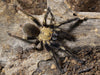
The infamous "Skeleton Leg" tarantula has become a hobby favorite due to its high contrast dark brown to black body with bold cream or white striping down the legs. These markings resemble a skeleton, giving the species its common name. Native to South America, this semi-burrowing species is known for its defensive temperament and lightning-fast speed. A unique and striking addition to any collection, especially for those who love bold patterns and feisty personalities!
FAQ - Frequently Asked Questions
What is the common name for Ephebopus murinus?
Ephebopus murinus is commonly known as the Skeleton Tarantula or Skeleton Leg Tarantula. This species gets its name from the bold cream or white markings that run along its dark legs like a skeletal pattern. Native to South America, it has become a favorite among experienced keepers thanks to its unique appearance, semi-burrowing habits, and energy.
Are skeleton spiders poisonous?
Like all tarantulas, the Skeleton Tarantula (Ephebopus murinus) is venomous, but its venom is primarily used to subdue prey and is not considered medically significant. This species is better known for its defensive temperament and lightning-fast speed.
How large does an Ephebopus murinus grow?
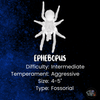
It generally reaches a leg span of around 4 to 6 inches (10 to 15 cm). When browsing an Ephebopus murinus for sale, keep in mind that younger specimens are often sold by diagonal leg span.
Is the skeleton tarantula a good choice for beginner keepers?
The Skeleton Tarantula is generally considered an intermediate-to-advanced species. While its beautiful markings make it highly desirable, its defensive nature, fast speed, and tendency to retreat into burrows can make it challenging for first-time keepers.
What does an Ephebopus murinus eat?
Ephebopus murinus is a carnivorous tarantula that feeds on live insects, like crickets, dubia roaches, mealworms, and other feeder insects. Juveniles typically eat more frequently, while adults may feed every one to two weeks.
What should I look for when buying an Ephebopus murinus for sale?
Choose a reputable breeder or exotic pet retailer that specializes in healthy, captive-bred tarantulas. Look for a specimen with a full abdomen, intact legs, and normal movement. It's also helpful to ask about the tarantula's age, feeding history, and recent molts.
Photo credit to mymonsters.co.za