




Caribena versicolor (Antilles Pink Toe Tarantula) 0.5-0.75"
Pickup available at Home Office
Usually ready in 2-4 days
%200.5-0.75%22)
✅ Covered by our 24 Hr Live Arrival Guarantee!
Description
Caribena versicolor (Antilles Pink Toe Tarantula)
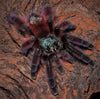
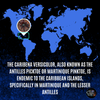
The Antilles Pink Toe Tarantula, or Caribena versicolor (ex Avicularia versicolor) to keepers who go by the Latin, is an arboreal tarantula native to the island of Martinique in the eastern Caribbean. Adults have red legs, a blue to green carapace (head), and a red abdomen, with purple hues showing throughout, creating a stunning and unique coloration in the tarantula world. Spiderlings hatch out a bright blue, nicknamed blueberries in the hobby, and that adult purple, red and green pattern comes in around three inches, while the species only grows to about 5 to 6 inches in diagonal leg span, with growth running medium to fast for the genus. Females live an impressive 10 to 15 years, with males maturing faster and typically living only 2 to 3 years. This species is also fast moving but genuinely docile, rarely defensive even when startled, appealing to keepers who want serious color without an aggressive animal. Grab this docile new world tarantula for sale today, offered here as a spiderling still in its full bright blue, before any of the color change has begun.
Why do hobbyists keep the Antilles Pink Toe Tarantula?
- Stunning Coloration: Adults have red legs, a blue to green carapace (head), and a red abdomen, with purple hues showing throughout, colors this spiderling gets to build toward from here.
- Dramatic Color Change: None of the transformation has started at this size, so you get to watch the entire shift from bright blue into the adult purple, red and green from the very beginning.
- Arboreal Heavy Webber: Builds thick silk tube retreats from the sling stage on. Watching the webbing develop is a big part of the experience.
- Docile Temperament: Fast moving but rarely defensive, one of the more forgiving arboreals in the hobby even at sling size.
- Cheapest Way To Collect This Species: This is about the size the species hatches at, which makes it your cheapest way to collect this species.
How should Caribena versicolor be kept?
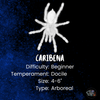
- Adult Size: These hatch out around half an inch to three quarters of an inch (0.5 to 0.75 inch) and reach a max size of about 5 to 6 inches at full leg span, one of the larger and most in demand arboreals in the hobby. That is a lot of growing to watch, with the color changing right alongside the size.
- Enclosure: This size calls for a 4 by 4 by 6 inch enclosure with vertical cork bark and light foliage to climb and web on, plus about half an inch to an inch of substrate for grip rather than burrowing. Arboreal species need height and climbing surface more than floor space, and we size for roughly a third of adult leg span here, so this cage has a long stretch of growth ahead of it before it needs replacing.
- Rehousing: Two rehouses ahead of this one: an 8 by 8 by 12 inch enclosure once it is around 2 inches, then a 12 by 12 by 18 inch adult setup once it is closing in on 5 to 6 inches. Growth runs medium to fast for this species, so figure roughly 2 to 4 years to full size, with each enclosure good for somewhere around 12 to 18 months along the way.
- Temperature: Keep between 75 and 85 degrees F.
- Humidity: Maintain moderate to high humidity with slightly moist substrate, leaning on ventilation rather than heavy misting to get there. Slings of this genus run a little more sensitive than adults, but the formula is simple: cross ventilation, light moisture and prey placed where the animal will find it, that is the whole formula. Good ventilation is critical. Cross ventilation works best, but ample top ventilation can also be effective as long as the enclosure is not over-misted.
- Water: Provide a shallow water dish placed in an elevated position if possible. This is more natural for arboreal species and helps prevent crickets from falling in and drowning.
- Diet: Prey length should run about a quarter of the leg span, which is roughly the width of the carapace (head). At this size that means about a 0.125 to 0.19 inch cricket or roach. Feed at least once a week, placing prey directly on the webbing since slings feed best when it comes to them.
- Temperament: Docile and one of the more forgiving arboreals in the hobby. Still fast and capable of jumping when startled, but rarely defensive, especially compared to old world species.
Are there any additional notes or considerations for Caribena versicolor?
- Real Cork Bark Matters: Real cork bark or sterile wood from the sling stage helps this species settle in and web faster than any other setup we have tested. Our dry goods selection has options sized right for this.
- Sling Success Formula: Cross ventilation, light moisture and prey placed where the animal will find it, that is the whole formula at this size.
- Solitary Species: House individually. Attempts at cohabitation can end in cannibalism, so one animal per enclosure.
- Lifespan: Females live 10 to 15 years, with growth running medium to fast for the genus. Males mature faster and typically live only 2 to 3 years, which is worth knowing if you are choosing a sexed animal for the long run.
- Captive Bred: All Tarantulas are 100% captive bred.
Listing Notes
- This listing is for a Caribena versicolor Antilles Pink Toe spiderling measuring around half an inch to three quarters of an inch (0.5 to 0.75 inch) in diagonal leg span, which is the size given in the title, unsexed with roughly a 50/50 chance of male or female. This is about the size the species hatches at, which makes it your cheapest way to collect this species, and it puts the entire color change ahead of you, bright blue now with the purple, red and green adult look still to come.
This is my first time having a sling this tiny, but we have been doing great together. I appreciate the team’s ability to answer all of the questions I had, and their friendliness. I most definitely will be buying more once I know what’s type I want.
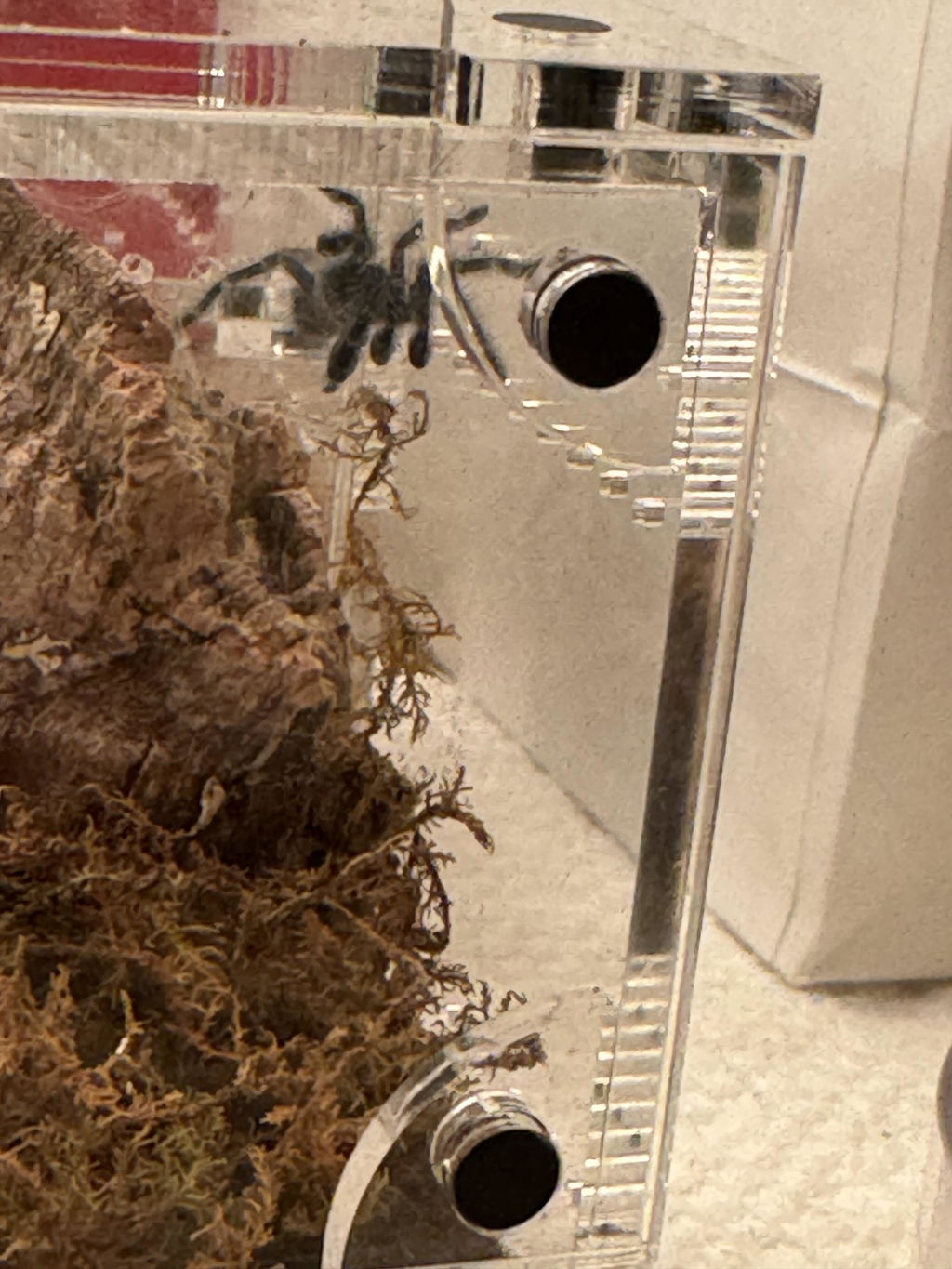
Roger Smith has been a great eater, web builder and is very active. Very beautiful colors and clean.
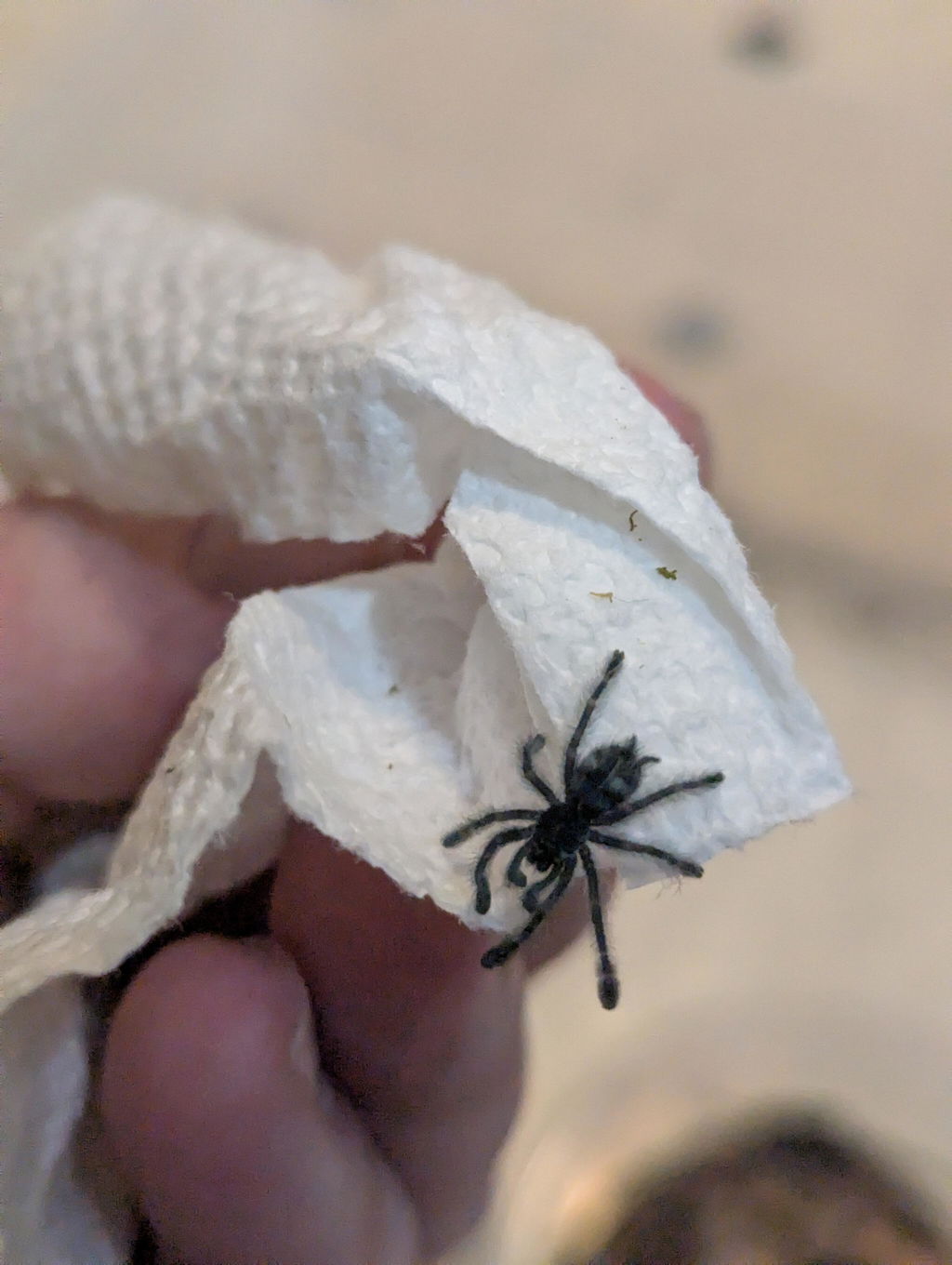
Roger Smith sounds like he's thriving! Hearing those colors came in beautiful and clean is a nice bonus. Really appreciate you sharing this update.
Arrived healthy and beautiful.
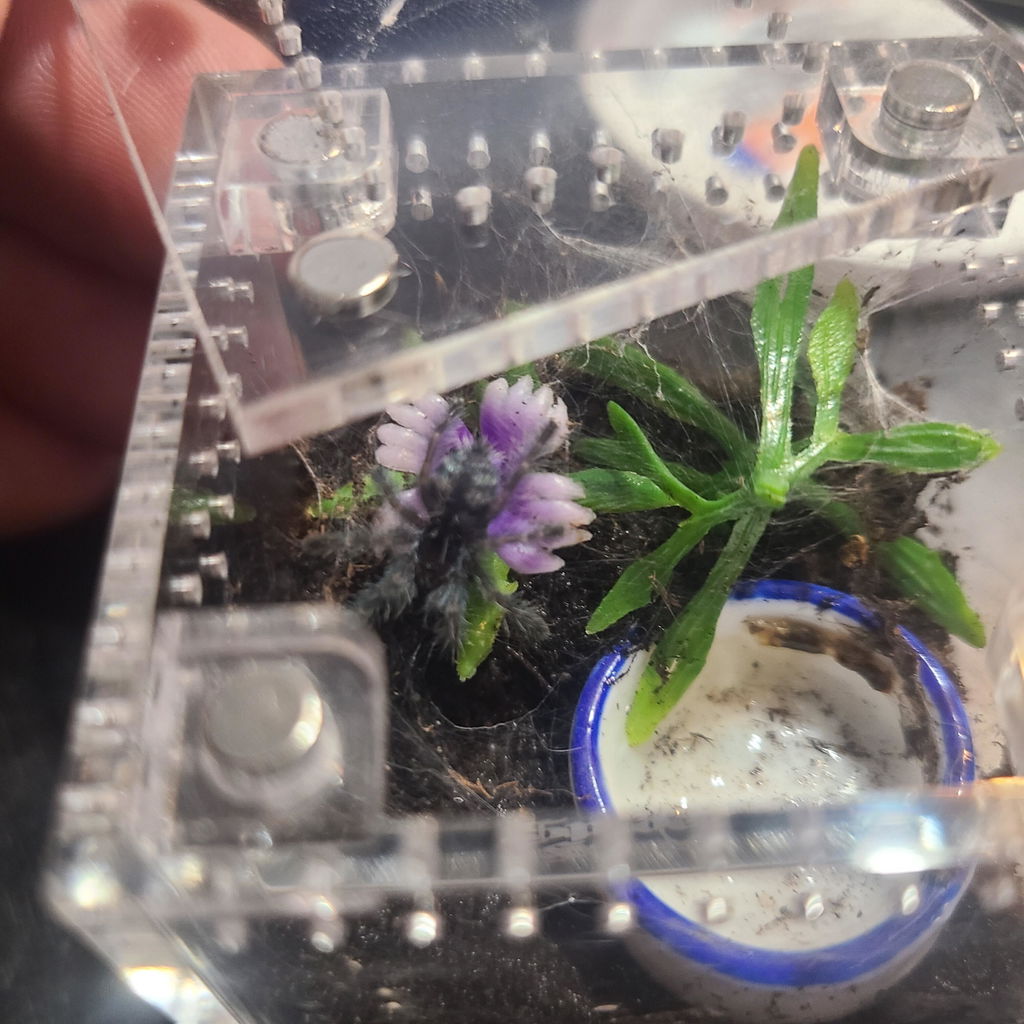
Hi Jeffrey, we're thrilled to hear your tarantula arrived healthy and beautiful! Thanks for sharing your experience with us.
Got mine yesterday! Showed up alive and well. Will order from again! My little guy hasn’t stopped exploring since I got it. I’m in love with this lil guy.
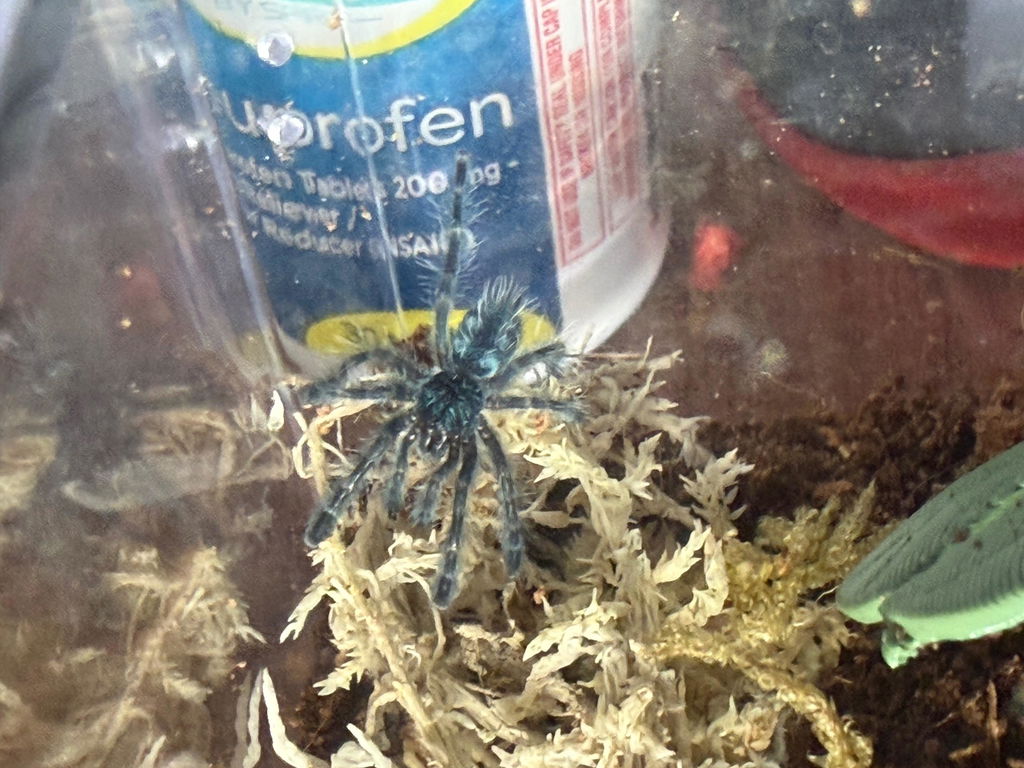
Hi Brandon, we're so happy to hear your Caribena versicolor arrived healthy and is already exploring! Thanks for your support, and we look forward to your next order.
Exotics Unlimited is where I've gotten most of my Ts. They are fantastic to work with, great at communication, everything is well packed, and the arachnids arrive in really good shape.
Sounds like we've become your go to for Ts, and honestly that means a lot to us. Thanks for sticking with us through so many purchases.
I love how eager exotics unlimited was to communicate with me regarding my shipment and the super easy delivery schedule was amazing! Also the packing was very animal friendly! my spiderling is very friendly, eager to eat and was already webbing up its enclosure less than 48 hours after receiving it!
Great! My little dude arrived well and has been great since! Eating well and drinking. Enjoying its new setup. Can't wait to watch it grow more.
Hi there! We're so glad to hear your little one is settling in nicely and thriving. Enjoy watching it grow, and thank you for sharing your experience!
Accurate size, very good packaging and arrived on time. Very easy to deal with and will buy from again.
Thank you so much for your kind words! We're thrilled to hear you're happy with your order. Looking forward to your next visit!
Gedex was a day late.couldve been a dead spider
Amazing
Thank you for the wonderful review! We're glad you're happy with your Caribena versicolor.
Sling arrives no issues, good packaging and love the updates
Sling came alive and well packaged.
Caribena vericolor arrived no issues
Arrived safely in great condition
My daughter loves her Antilles Pink Toe tarantula. It is very beautiful.
I liked the updates i got during the shipping. It helped a lot because they almost delivered to the wrong apartment but because of the updates i was able to let them know it was actually me.
Arrived quick and healthy
Amazing, beautiful spider, properly packaged and fair price.
Arrived safe and sound. Would order again!
Amazing !!!
Wonderful as always, great communication and beautiful healthy tarantulas!! Thank you 😊 🙏